
Commercial builders often face a tough choice when planning projects on whether they should invest in buying cranes or choose crane hire services.
The answer is clear. Most builders prefer hiring cranes because they save money, lower risks, and keep projects running smoothly. Instead of taking on the heavy financial and operational burden of ownership, they gain flexibility and efficiency by hiring.
What is Crane Hire and How Does It Work?
Crane hire is buying a crane outright. Builders rent one from a specialist company for the exact time they need it. This might be a few days, weeks, or months, depending on the project.
Unlike ownership, where a company must handle maintenance, storage, and compliance, crane hire providers take care of all those details. Builders only pay for the crane when it’s on the job site, often with a skilled operator included.
For many commercial projects, like lifting steel frames, moving heavy prefabricated panels, or handling materials on multi-storey sites, crane hire provides the right equipment at the right time without tying up business capital.
Why Do Builders Choose Crane Hire Over Buying?
1. It is Cheaper to Hire a Crane Than to Buy One
A single crane can cost anywhere from hundreds of thousands to millions of dollars, depending on its size and capabilities. For most commercial builders, that’s money better spent elsewhere.
And the purchase price is just the beginning. Owning a crane means ongoing costs such as:
- Insurance – cranes need specialised and costly cover.
- Maintenance – regular servicing, repairs, and replacement parts are expensive.
- Storage – cranes require secure, spacious yards when not in use.
- Licensing and registration – keeping paperwork and compliance up to date.
By choosing equipment hire, builders avoid these overheads. They can book a crane for specific jobs and only pay when they actually need it. This makes budgeting easier and frees up cash flow for other parts of the business.
2. Crane Hire Reduces Risk for Builders
Owning cranes ties up money in an asset that loses value over time. Like trucks or excavators, cranes depreciate, meaning they are worth less every year. If work slows down, that investment becomes a liability.
Hiring a crane eliminates that risk. Builders don’t have to worry about resale value or ageing equipment. Instead, they get access to modern cranes that meet the latest safety and environmental standards.
Another major advantage is compliance. Operating cranes in Australia comes with strict rules under Work Health and Safety (WHS) laws. Hire companies keep their machines serviced, tested, and ready for safe use.
Many also provide trained operators who know how to handle complex lifts. This reduces liability for builders and helps keep sites safe.
3. Builders Get Better Flexibility with Crane Hire
Buying one type of crane locks builders into a single option.
With crane hire, builders can choose from a wide range of machines:
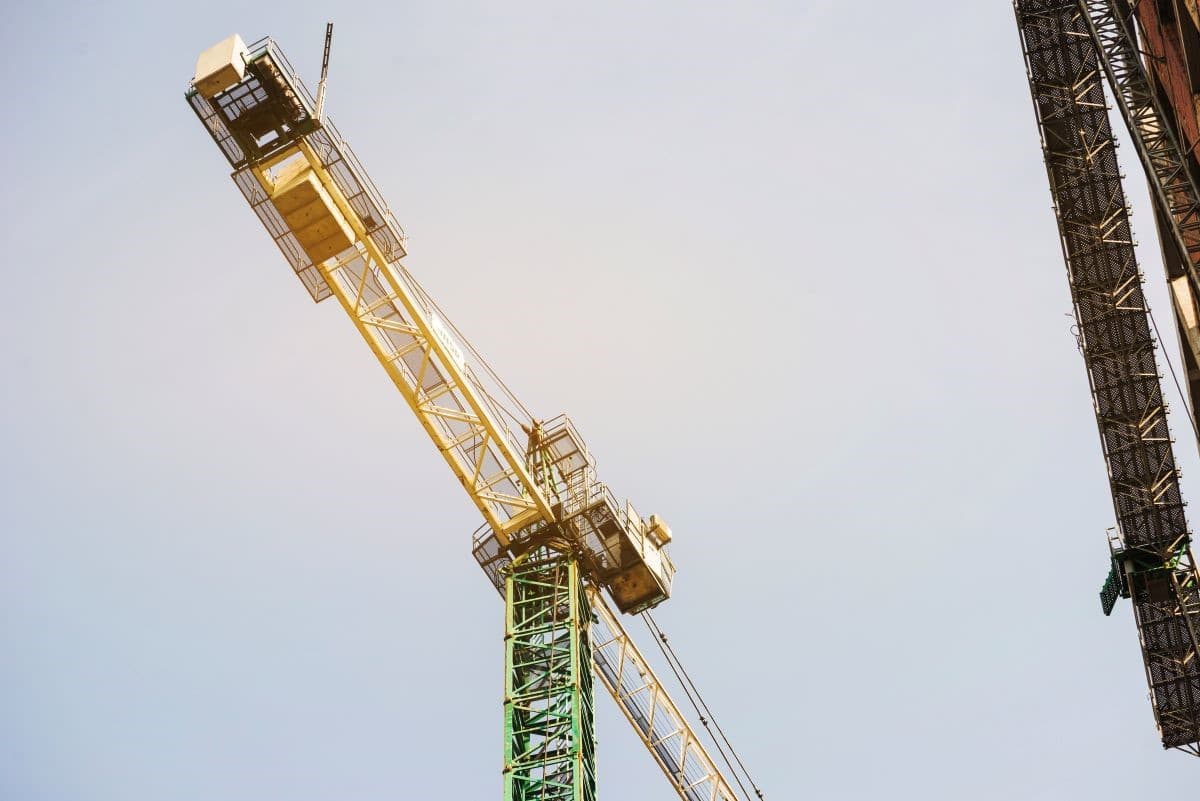
- Tower cranes for tall structures.
- Mobile cranes for projects that require moving between locations.
- Crawler cranes for heavy-duty lifting on rough terrain.
- Franna cranes for tight access areas.
This flexibility means builders can take on a variety of projects without worrying about whether their equipment is suitable. If demand increases, they can hire additional cranes. If it slows down, they can simply scale back without being left with idle machinery.
Hiring also allows builders to test new technology. Many crane hire companies update their fleets regularly, giving clients access to the latest models without committing to a purchase.
What Are the Benefits of Crane Hire for Project Efficiency?
Delays cost money and affect client trust. Crane hire helps projects stay on schedule in several ways:
- Less downtime – if a hired crane breaks down, the provider replaces it quickly.
- Modern equipment – new cranes lift heavier loads faster and with more precision.
- Trained operators – many hire packages include experienced operators who improve safety and speed.
- On-demand availability – builders don’t waste time waiting for equipment; they hire what they need, when they need it.
Conclusion
For commercial builders, the choice between owning and hiring cranes is about staying competitive. Crane hire reduces upfront costs, removes the burden of ongoing maintenance, and gives builders the flexibility to adapt to each project’s needs.
By hiring a crane, builders can take on bigger projects with confidence while keeping their operations lean and efficient.